

Table of Contents
- Verify Website Legitimacy Before You Buy
- How to Spot Fake Online Stores and Deceptive Practices
- Best Practices for Secure Online Payments
- Check Merchant Reputation and Verified Reviews
- How to Check Return Policies Before Committing
- Manage Impulse Shopping and Recognize Dark Patterns
- Post-Purchase Protection and Dispute Resolution
Last Updated: August 18, 2026
Verify Website Legitimacy Before You Buy
Before entering your payment information, take 60 seconds to confirm the website is legitimate. A fraudulent site can steal your identity, drain your account, and leave you with no recourse.
Start with the URL. Legitimate retailers use secure connections marked by "https://" and a padlock icon in your browser's address bar. This encryption protects your data in transit. If you see "http://" without the "s," the connection is unencrypted, a red flag for any purchase.
Check the domain name carefully. Scammers create URLs that look similar to legitimate sites but with slight variations. If you're shopping at a major retailer, type the URL directly into your browser rather than clicking a link from an email or social media. This prevents phishing attempts that mimic the real site.
Look for contact information and a physical address. Legitimate businesses display customer service details, return addresses, and privacy policies in the footer. If a site lacks these basics, it's likely not a real retailer.
Verify the SSL certificate by clicking the padlock icon. You'll see the business name and certificate issuer. A mismatch between the URL and the certificate name suggests fraud. This simple step catches many fake online stores before you hand over payment details.
How to Spot Fake Online Stores and Deceptive Practices
Deceptive practices online range from outright fraud to dark patterns designed to trick you into spending more than intended. Learning to recognize these tactics protects your wallet and your data.
Fake storefronts often use stock photos, poor grammar, and unprofessional design. Real retailers invest in quality product photography and clear descriptions. If product images look generic or copied from other sites, that's a warning sign. Check Google Images by uploading a product photo, if it appears on multiple unrelated websites, the store is likely using stolen images.
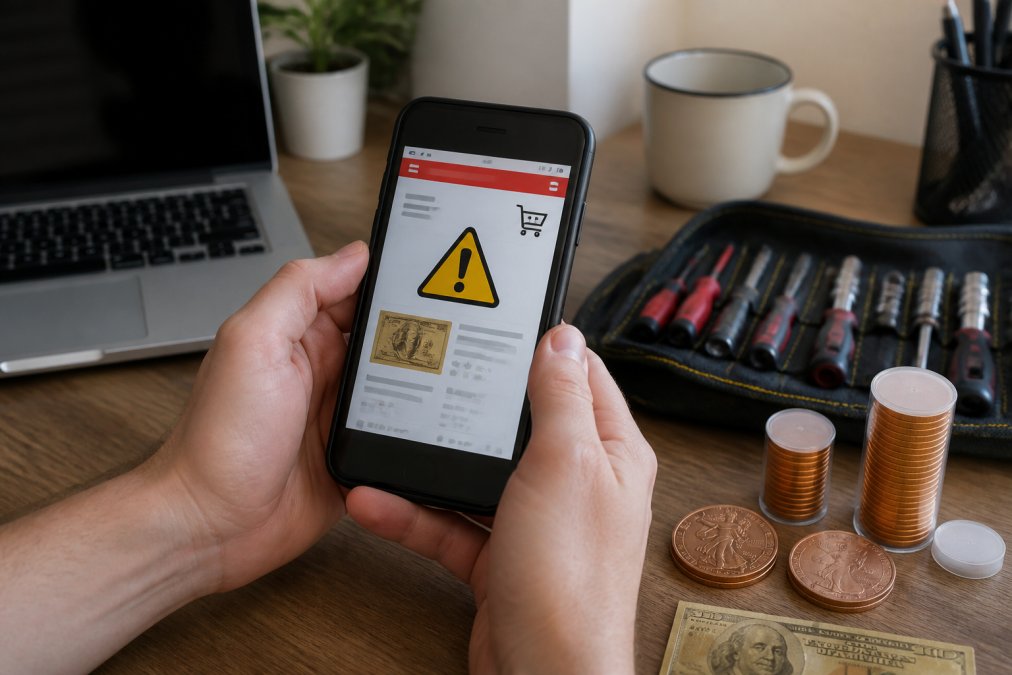
Dark patterns are psychological tricks embedded in website design. Common examples include auto-renewing subscriptions buried in fine print, pre-checked boxes adding items to your cart, and countdown timers claiming limited stock to create urgency. Read every checkbox and confirmation screen carefully. If a retailer makes it harder to decline an offer than accept it, that's intentional deception.
Suspicious links in emails and social media posts often lead to phishing pages that capture your login credentials. Hover over links before clicking to see the actual URL. If it doesn't match the retailer's official domain, don't click. Legitimate companies never ask for passwords via email.
Too-good-to-be-true deals are often bait-and-switch tactics. If a product normally costs $80 and suddenly appears for $5, investigate before buying. Check the retailer's history and reviews. A brand-new store with massive discounts is likely either liquidating stolen goods or planning to take your money without shipping anything.
Best Practices for Secure Online Payments
Your payment method is your first line of defense against fraud. Choose wisely and you significantly reduce your exposure to financial loss.
Credit cards offer the strongest consumer protection. Under federal law, your liability for unauthorized charges is capped at $50, and most issuers waive this entirely. If fraud occurs, you can dispute the charge and get your money back while the investigation proceeds. Debit cards and bank transfers don't offer the same protection, fraudulent charges hit your account immediately, and recovering funds takes longer.
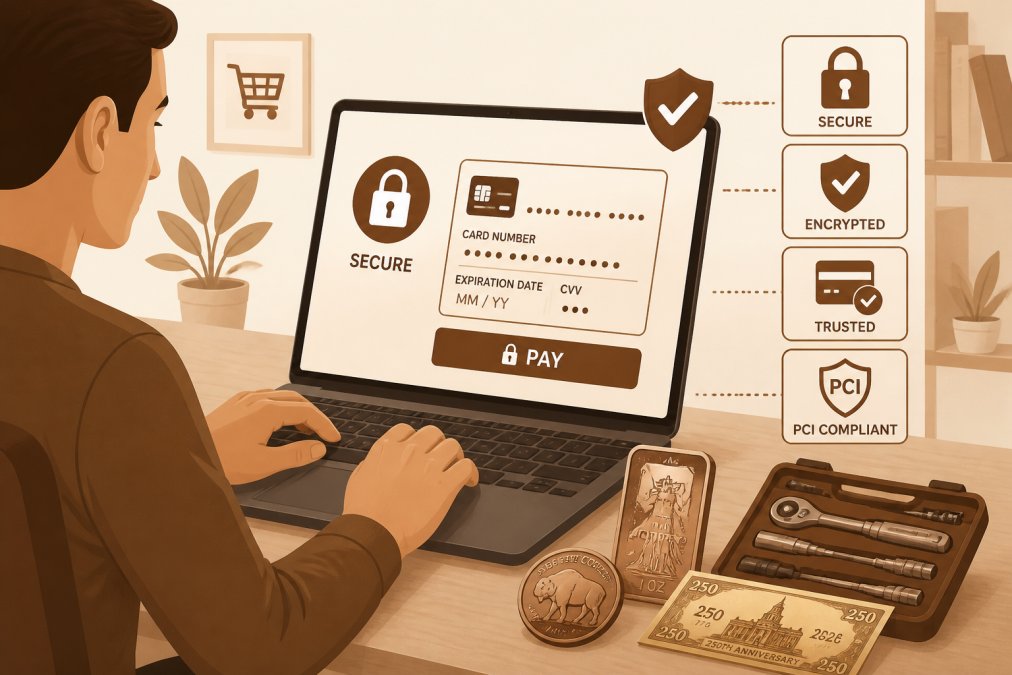
Digital wallets like Apple Pay and Google Pay add a layer of security by masking your actual card number. The retailer never sees your full payment details. This reduces the damage if the store's database is breached.
Never save payment information on a retailer's website unless you plan to shop there regularly. Each stored payment method is another potential target for hackers. If you must save it, use a strong, unique password and enable two-factor authentication on your account.
Avoid public Wi-Fi for any financial transactions. Coffee shop networks are unsecured and vulnerable to interception. Wait until you're on a private, password-protected network at home. If you must shop on public Wi-Fi, use a VPN to encrypt your connection.
Check your transaction records immediately after purchase. Log into your account and verify the charge matches what you expected. Set up account notifications so you're alerted to any login attempts or purchases. Many fraud cases are caught within hours of the fraudulent transaction because the victim noticed something odd.
Check Merchant Reputation and Verified Reviews
A retailer's reputation reveals patterns that individual experiences might miss. Before committing to a purchase, investigate what other customers have experienced.
Start with verified review platforms. These sites confirm that reviewers actually bought the product, reducing fake reviews. Look for patterns in feedback rather than focusing on single reviews. If 50 customers report the same issue, that's a real problem. If one person complains about something no one else mentions, it might be an outlier.
Check the retailer's response to negative reviews. A business that ignores complaints or responds defensively is signaling poor customer service. Retailers who address problems professionally and offer solutions demonstrate accountability. This matters when something goes wrong with your order.
Search the retailer's name plus "scam" or "complaints" to see if there are widespread fraud reports. Consumer protection agencies and Better Business Bureau records are public. A retailer with numerous unresolved complaints has shown a pattern of not standing behind their products.
Look at how long the business has been operating. New stores with no history are higher risk. Established retailers have reputation to protect and legal accountability. A store that's been operating for five years or more has survived market pressure and regulatory scrutiny.
Verify the merchant's credentials. Check if they're registered with their state's business registry. Legitimate retailers maintain proper business licenses and tax identification. This takes two minutes online and eliminates many fraudulent operations.
How to Check Return Policies Before Committing
A generous return policy is your insurance against bad purchases. Read it carefully before buying, the policy you see at checkout is the one that governs your return.
Look for the return window. Most legitimate retailers offer 30 days, though some extend to 60 or 90. If a store offers less than 14 days, that's unusually restrictive and suggests they don't stand behind their products. Time-limited returns can catch you off guard if the item arrives damaged or doesn't match the description.
Check whether return shipping is free or at your expense. Free returns mean you can test the product risk-free. Paid returns shift the cost to you, which can exceed the item's value for lightweight goods. A $15 shirt with a $10 return shipping cost effectively costs you money to return, that's a bad deal.
Examine the condition requirements. Some retailers accept returns only in original packaging with tags attached. Others allow returns of worn items. The stricter the condition rules, the less forgiving the policy. If you're buying clothing you want to try on, a policy requiring unworn condition might not work.
Read the fine print on final-sale items. Many retailers mark certain products as non-returnable, clearance items, personalized goods, or final-sale sections. If you're buying from these categories, you're accepting the risk. Make sure you're comfortable with that before purchasing.
Check the process for initiating returns. Does the retailer provide a prepaid label? Do you need to contact customer service first? A smooth return process reflects a business confident in its products. Retailers that make returns difficult are often hiding something.
Compare return policies across retailers selling the same item. If one offers 60-day free returns and another offers 14-day paid returns, the difference matters. This is especially true for clothing, where fit is unpredictable online.
Manage Impulse Shopping and Recognize Dark Patterns
Impulse shopping costs money. The psychological triggers that drive impulsive purchases are often embedded intentionally into website design.
Countdown timers claiming "only 2 left in stock" or "sale ends in 3 hours" create artificial urgency. These tactics work because they bypass rational thinking. When you feel rushed, you're less likely to research the product or compare prices. Real scarcity is rare online, most inventory is replenished regularly. Ignore the timer and take your time.
Wish lists and saved items are your defense against impulse buying. Add items to a list and wait 24 hours. If you still want it tomorrow, it wasn't a true impulse. Many items you wanted at 11 p.m. won't seem appealing the next morning. This simple delay catches most impulse purchases before they happen.
Auto-renewing subscriptions are a common trap. You sign up for a free trial and forget to cancel before the charge hits. Read every confirmation screen. If a retailer requires your payment information for a free trial, assume they're counting on you to forget the cancellation deadline. Mark your calendar immediately when you sign up.
Recommended products and "frequently bought together" sections are designed to increase your total purchase. These suggestions are algorithmically chosen to maximize spending, not to meet your actual needs. Ignore them unless you genuinely intended to buy those items.
Price anchoring makes expensive items seem reasonable. If a retailer shows a crossed-out original price next to a sale price, you're more likely to perceive value. This tactic works even when the "original price" was never real. Compare the sale price to competitors' regular prices, not to the anchor price.
Post-Purchase Protection and Dispute Resolution
Your protection doesn't end at checkout. Multiple safeguards exist after you've paid to recover your money if something goes wrong.
A chargeback is your nuclear option. If a retailer doesn't deliver, delivers the wrong item, or the item arrives damaged, you can contact your credit card company and request a chargeback. The card issuer investigates and typically sides with you if the merchant can't prove they fulfilled the order. This process takes 30-90 days but recovers your full payment. Use chargebacks as a last resort after the retailer has refused to resolve the issue.
Document everything. Save order confirmations, tracking numbers, photos of damaged items, and all communication with customer service. If a dispute arises, this evidence determines the outcome. Screenshots of product descriptions matter if the item doesn't match what was advertised.
Keep transaction records for at least 90 days after purchase. This window covers most chargeback deadlines. If something goes wrong, you'll need proof of the original charge.
Contact customer service first before escalating to chargebacks or payment processors. Many issues are resolved quickly when you provide clear evidence. A retailer who refuses reasonable requests for refunds or replacements has shown their true colors, that's when you escalate.
Request a refund in writing if the retailer isn't responding. Email creates a documented record. Verbal conversations leave no proof. Written communication also forces the retailer to respond formally rather than ignore you.
Use your credit card's purchase protection and extended warranty features. Some cards cover accidental damage or theft for a period after purchase. Check your cardholder benefits, you may have protections you don't know about.
Avoiding bad online purchases comes down to verification, caution, and documentation. Verify the website's legitimacy before entering payment information. Recognize dark patterns and deceptive practices designed to manipulate your spending. Use secure payment methods that offer fraud protection. Check merchant reputation and return policies before committing. Manage impulse shopping by waiting 24 hours before purchases. And document everything so you have recourse if something goes wrong.
At Republic Mercantile, we've built our reputation on transparent practices and customer protection. We display clear return policies, offer fast shipping on authentic products, and stand behind every item we sell. When you shop with a retailer committed to your confidence, you eliminate most of these risks. Start by verifying the site's legitimacy, then browse with the security practices outlined here. The effort pays off in fewer regrets and more purchases you actually keep.
Frequently Asked Questions
What are the biggest red flags when shopping online?
Watch for sites without HTTPS encryption, misspelled URLs, poor grammar in product descriptions, pressure to buy immediately, and requests for unusual payment methods. Avoid deals that seem too good to be true, heavily discounted brand-name items from unknown sellers are often counterfeit. Check for a physical address and customer service contact information. Legitimate retailers display trust badges, clear return policies, and verified reviews from real customers.
How can I verify if an online store is legitimate before making a purchase?
Check for a secure connection (HTTPS and padlock icon in your browser), look up the merchant reputation on consumer protection sites, read verified customer reviews, and confirm the business address and phone number are real. Search the company name plus 'scam' or 'complaints' to see if others have reported issues. Legitimate stores display clear contact information, transparent pricing, and detailed return policies. Use a password manager to avoid reusing credentials across sites.
What should I do if I receive a counterfeit or damaged item?
Document the issue with photos immediately. Contact the seller through the platform's messaging system and report the problem. Check your transaction records and file a chargeback or dispute with your credit card company if the seller refuses to help. Keep all correspondence and shipping receipts. Most legitimate retailers offer refunds or replacements for damaged goods. If you paid through a digital wallet or secure checkout system, those platforms often provide buyer protection.
How do I protect my personal and financial information when shopping online?
Use a strong, unique password for each retailer, store them in a password manager. Enable two-factor authentication when available. Shop only on secure connections (avoid public Wi-Fi for purchases), and never share your full credit card details via email. Use a digital wallet or credit card with fraud protection rather than debit cards. Check your bank and credit card statements regularly for unauthorized charges. Consider using virtual card numbers if your bank offers them.
This article was written using GrandRanker