

Table of Contents
- Why Choose a Multi-Surface Cleaner
- Cleaning vs. Sanitizing vs. Disinfecting: What's the Difference
- Best Multi-Surface Cleaner Options for Your Home
- Cleaning Products for Different Surfaces
- Homemade Cleaner Recipes and Safe Ingredient Combinations
- Essential Cleaning Tools and Application Techniques
- How to Choose the Right Cleaner for Your Needs
- Frequently Asked Questions
Last Updated: October 19, 2026
Why Choose a Multi-Surface Cleaner
Cleaning products for multiple household surfaces solve a real problem: maintaining different areas of your home without a cabinet full of specialized cleaners. A good multi-surface cleaner handles countertops, appliances, glass, and high-touch areas.
The challenge is finding one that works across those surfaces without streaks, finish damage, or constant dilution. Understand what a multi-surface cleaner can realistically do, then decide whether you need specialized options for certain areas.
Republic Mercantile carries cleaning products for multiple household surfaces alongside the microfiber cloths and tools that make application easier.

Cleaning vs. Sanitizing vs. Disinfecting: What's the Difference
These terms describe different outcomes. Cleaning removes visible dirt and grime with soap and water. Sanitizing reduces germs to safe levels. Disinfecting kills 99.9% of germs and viruses on a surface.
Most cleaning products for multiple household surfaces are cleaners, not sanitizers or disinfectants. They remove everyday messes but don't provide medical-grade germ elimination.
This distinction prevents buying the wrong product. For spills and dust, a cleaner works fine; for illness concerns, you need something stronger. Most people use a general cleaner daily and switch to a disinfectant only when needed.
Best Multi-Surface Cleaner Options for Your Home
Commercial All-Purpose Cleaners
Commercial all-purpose cleaners balance cost, performance, and convenience, working on most hard surfaces without dilution or special handling: spray, wipe, done.
The trade-off: commercial cleaners often contain synthetic chemicals and fragrances. They cut grease well but may streak glass or leave a chemical smell, and they're less ideal for natural stone or delicate finishes.
Look for products that specify compatibility with the surfaces in your home. Read labels carefully, some all-purpose cleaners explicitly warn against use on certain materials.
Nontoxic Household Cleaning Products
Nontoxic cleaning products for multiple household surfaces appeal to families concerned about chemical exposure, especially homes with children or pets, using plant-based ingredients like citric acid, vinegar, or essential oils.
Performance varies more with nontoxic options: some work nearly as well as conventional cleaners, others require more scrubbing. The advantage is safety and reduced environmental impact; the disadvantage is higher cost and less consistent results on baked-on messes.
Many people use nontoxic cleaners for daily maintenance and keep a stronger product for occasional deep cleaning. This hybrid approach balances safety with practical performance.
Concentrated Household Cleaners
Concentrated cleaners require dilution but offer real benefits: you control the strength, using full concentration on grimy stovetops and heavy dilution for light cleaning. One bottle lasts far longer than ready-to-use products, reducing packaging waste and cost per use.
The downside is that dilution adds a step, and incorrect ratios can reduce effectiveness or leave residue. Concentrated cleaners work best for people willing to measure and mix. For busy households that want grab-and-spray convenience, ready-to-use products are simpler.
Cleaning Products for Different Surfaces
A multi-surface cleaner is only multi-surface if it's compatible with the material underneath the mess. Spraying a general cleaner on the wrong surface is the fastest way to damage a finish. Use this guide to match product to material.
Hard Surfaces and Countertops
Laminate, tile, quartz, and sealed granite tolerate most all-purpose cleaners. The risk is technique: abrasive pads and gritty powders dull gloss and scratch finishes.
Spray, let it sit 10-15 seconds to break down grime, then wipe with a damp cloth. Don't leave cleaner sitting too long, which can streak.
Sealed stone and grout resist liquids; unsealed versions absorb them, so a wet cleaner can drive soil into the material.
Natural stone like marble, limestone, and travertine needs different treatment.
Appliance Exteriors and Stainless Steel
Stainless steel needs attention to avoid streaks and fingerprints. Most all-purpose cleaners work but leave visible streaks if not buffed dry immediately. Wipe with the grain, not against it.
Spray lightly, wipe immediately with a microfiber cloth, then buff dry with a clean cloth. Specialized stainless steel cleaners minimize fingerprints but cost more; a general-purpose cleaner works fine if you buff it dry.
Avoid abrasive pads and chlorinated cleaners on stainless steel; both can dull the finish. Refrigerator and dishwasher fronts show fingerprints easily, so wipe them weekly to prevent buildup.
Glass and Mirrors
Glass and mirrors benefit from cleaners formulated to minimize streaking; all-purpose cleaners often leave haze. Squeegee tools help, and Republic Mercantile's Professional Window Squeegee & Scrubber Cleaning Tool at $8.99 combines a scrubber and squeegee in one tool.

Spray cleaner on the surface, let it sit briefly, then use the squeegee in one smooth motion. Wipe the blade between passes to prevent dirty water from redepositing. This works for windows, mirrors, and glass shower doors.
Clean glass when it is cool; direct sunlight dries cleaner too quickly, leaving streaks. Avoid abrasive powders and steel wool on glass unless rated for it; fine scratches are permanent.

Wood and Painted Surfaces
Wood and painted surfaces are where general cleaners most often go wrong. Water-based all-purpose cleaners can raise grain, dull wax, or soften paint if left wet. Use minimal liquid, apply to a cloth rather than the surface, and dry immediately.
3-Packs of 10 (30 towels) Choicy Microfiber Cleaning Cloths →
For finished wood, a pH-neutral cleaner labeled for wood or a slightly damp cloth is safer than a general spray. Avoid vinegar and ammonia on wood finishes; both can strip wax and dull the sheen. For painted surfaces, avoid abrasive pads and strong solvents that can remove paint or leave a chalky haze.
High-Touch Surfaces and Handles
Door handles, light switches, and remote controls accumulate more bacteria and viruses than other surfaces, so clean them regularly, especially during illness season. Most cleaning products for multiple household surfaces work fine here.
Spray, let it sit 30 seconds to a minute, then wipe; immediate wiping reduces effectiveness. During cold and flu season, consider a disinfectant and follow its label contact time, often longer than cleaning dwell time.
Sealed Versus Unsealed Materials
The most useful distinction across surfaces is sealed versus unsealed. Sealed surfaces resist liquids and tolerate more cleaners; unsealed surfaces absorb liquids and are vulnerable to residue, staining, and damage. When in doubt, test a hidden area, use less liquid, and choose pH-neutral products.
What Not to Use, by Surface
- Marble, limestone, travertine: no vinegar, citric acid, or abrasive powders.
- Stainless steel: no abrasive pads or chlorinated cleaners; buff dry with the grain.
- Glass: no abrasive powders or steel wool on finished glass.
- Wood and painted surfaces: no vinegar, ammonia, or soaking; apply to cloth, not surface.
- Unsealed stone and grout: no excess liquid; avoid acidic or strongly alkaline cleaners until tested.
If a product label warns against a material, believe it. Compatibility is the first filter; performance is second.
Homemade Cleaner Recipes and Safe Ingredient Combinations
Homemade cleaners offer ingredient control and cost savings. Common bases include white vinegar, baking soda, castile soap, and water.
A simple all-purpose cleaner combines equal parts white vinegar and water in a spray bottle, plus a few drops of dish soap. It works on most surfaces but not natural stone.
Lemon juice adds a fresh scent and mild acidity similar to vinegar. Rubbing alcohol evaporates quickly and helps prevent streaking on glass. Never combine bleach with any other cleaner; the chemical reaction creates dangerous fumes.
Safe Combinations and Dangerous Mixes
The most important rule is simple: do not mix cleaning chemicals. Mixing can create toxic gases, heat, or corrosive compounds. Keep these combinations off-limits:
- Bleach + ammonia: produces chloramine vapors that irritate the eyes and respiratory tract.
- Bleach + vinegar or other acids: releases chlorine gas.
- Hydrogen peroxide + vinegar: forms peracetic acid, which is corrosive.
- Bleach + rubbing alcohol: can form chloroform and other byproducts.
- Different drain cleaners: can react violently; never layer one on top of another.
Storage, Labeling, and Ventilation
Store homemade cleaners in labeled spray bottles, never unmarked containers or food and beverage bottles. Keep them out of reach of children and pets, away from heat and sunlight. Make small batches; vinegar and water mixtures aren't indefinitely stable.
Ventilate when cleaning, especially in bathrooms and small rooms. Wear gloves if you have sensitive skin, and avoid breathing vapors directly. If you feel dizzy or irritated, stop, leave the area, and get fresh air.
When Homemade Works and When It Does Not
Homemade cleaners work best for regular maintenance: light grease, dust, fingerprints, and everyday spills. For heavy buildup, soap scum, or stubborn stains, commercial products often outperform them thanks to controlled concentrations of surfactants and chelating agents.
Homemade cleaners are not disinfectants. Vinegar and baking soda clean, but they do not meet disinfectant label claims. If you need sanitizing or disinfecting, use a product labeled for that purpose and follow its contact time.
Essential Cleaning Tools and Application Techniques
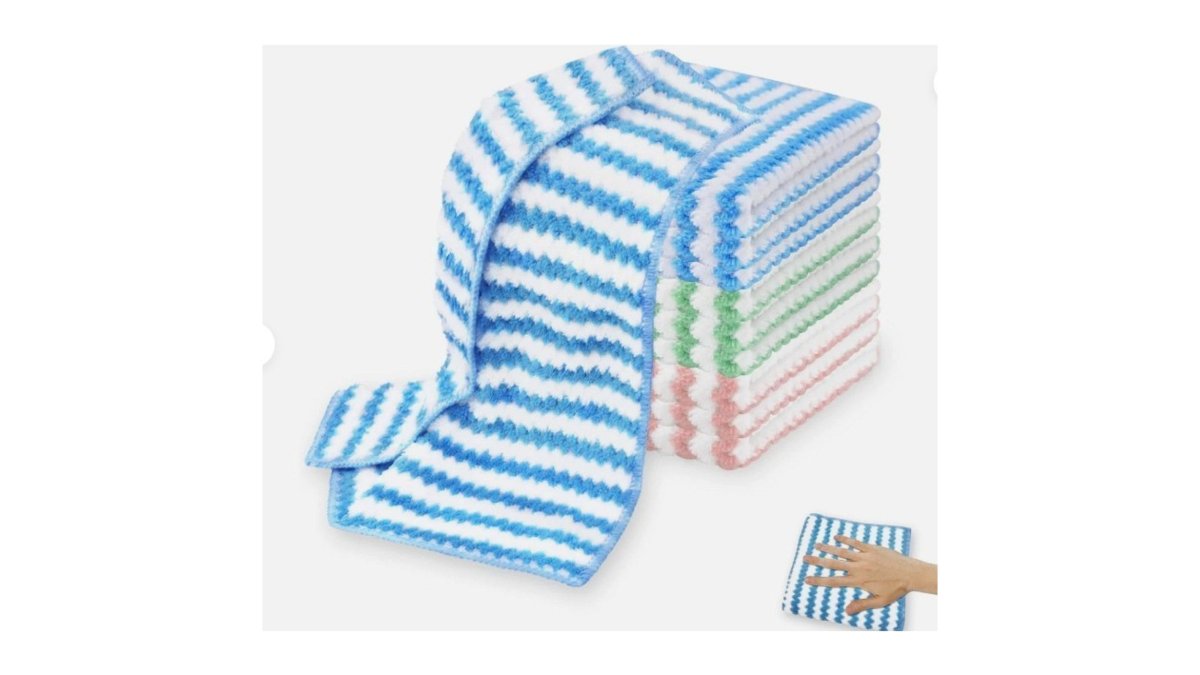
The right tools make any cleaner more effective. Republic Mercantile's 3-Packs of 10 (30 towels) Choicy Microfiber Cleaning Cloths at $17.95 provide enough quantity for regular use and frequent washing.
For glass, squeegee tools eliminate streaking better than cloths alone. Spray cleaner, use the scrubber side to loosen grime, then use the squeegee blade in one smooth motion from top to bottom.
For baked-on messes on pots, pans, and stovetops, steel wool or scrub pads work well. Republic Mercantile's 2-Pack of S.O.S-Steel Wool Soap Pads, 10 Ct (20 Total) at $15.99 combines steel wool with built-in soap.
Application technique matters as much as the product. Spray lightly; oversaturating wastes product and leaves residue.
How to Choose the Right Cleaner for Your Needs
Start by identifying your priorities: speed, safety, cost, or environmental impact. These often conflict, so understanding what matters most helps narrow options.
For speed, ready-to-use commercial cleaners win. For safety around children and pets, nontoxic or homemade cleaners work better, though they may require more effort.
Next, assess your surfaces.
Finally, consider your routine. Many households benefit from two products: a gentle, fast option for daily maintenance and a stronger one for occasional heavy-duty work.
| Cleaner Type | Best For | Pros | Cons |
|---|---|---|---|
| Commercial All-Purpose | Quick daily cleaning | Fast, convenient, effective | Chemical smell, potential streaking |
| Nontoxic/Plant-Based | Families with children/pets | Safe, environmentally friendly | Higher cost, variable performance |
| Concentrated | Budget-conscious households | Low cost per use, less packaging | Requires dilution, extra step |
| Homemade | Cost control and ingredient transparency | Inexpensive, customizable | Time-intensive, less powerful |
Choosing cleaning products for multiple household surfaces doesn't require a chemistry degree or a cabinet full of bottles. Shop our selection of microfiber cleaning cloths and cleaning tools to build an efficient cleaning system that saves time and money.
Frequently Asked Questions
Can one cleaner be used on multiple household surfaces?
Most all-purpose cleaners work on hard surfaces like countertops, appliances, and tile, but not all surfaces tolerate the same formula. Natural stone (marble, granite) often requires specialized pH-balanced cleaners to avoid etching. Wood surfaces may need gentler products to prevent damage. Always check the label for surface compatibility before using a multi-surface cleaner on delicate materials. When in doubt, test on a hidden area first.
What is the best homemade all-purpose cleaner?
A simple vinegar-and-water solution (1 part vinegar to 1 part water) works well for most hard surfaces, though vinegar's acidity can damage natural stone. For a stronger formula, add a few drops of castile soap or dish soap. These ingredients are nontoxic and affordable, making them ideal for families on a budget seeking safe alternatives.
Which surfaces should not be cleaned with an all-purpose cleaner?
Avoid standard all-purpose cleaners on marble, granite, and other natural stone, as acidic formulas cause etching and dull the finish. Unsealed wood floors can warp or discolor with liquid cleaners. Certain electronic screens require specialized solutions to prevent damage. Delicate fabrics and upholstery need appropriate fabric cleaners. Always verify surface material before applying any cleaner, and follow manufacturer recommendations for specialized surfaces to prevent costly damage.
Are concentrated household cleaners a good value for household cleaning?
Concentrated cleaners offer excellent value when diluted correctly. A single bottle often makes 2-4 times more product, lowering cost per use significantly. However, you must follow dilution instructions precisely, too much concentrate wastes product and can damage surfaces, while too little reduces cleaning power. For budget-conscious families buying in bulk, concentrated formulas reduce packaging waste and shipping costs, making them economical for regular household cleaning routines.