

Table of Contents
- How to Verify Clothing Quality Online: The Essential Checks
- Examine Stitching and Seam Quality in Product Photos
- How to Spot High Quality Fabric Online
- Verify Branding, Logos, and Hardware Durability
- Signs of Well-Made Clothing: What Separates Quality from Mass Production
- Clothing Authenticity Check Services and Professional Verification
- Assess Seller Reputation and Buyer Protection
- Common Mistakes to Avoid When Buying Clothes Online
Last Updated: August 21, 2026
How to Verify Clothing Quality Online: The Essential Checks
When shopping for clothing online, you're making a purchase decision based solely on photos, descriptions, and seller information. You can't feel fabric weight or see how seams hold up under real-world wear. At Republic Mercantile, we understand this challenge: how to verify clothing quality online when shopping from home.
Quality leaves visible clues. Whether buying a single piece or sourcing wholesale inventory like our 48 pc Manifested Reseller's Wholesale Box of Long Sleeve Blouses, the same verification principles apply.

The verification process breaks down into five key areas: stitching and seams, fabric composition, branding and hardware, seller reputation, and professional authentication when needed.
Examine Stitching and Seam Quality in Product Photos
Well-made clothing has consistent, tight stitches that follow straight lines. Loose, uneven, or skipped stitches signal poor construction that won't hold up.
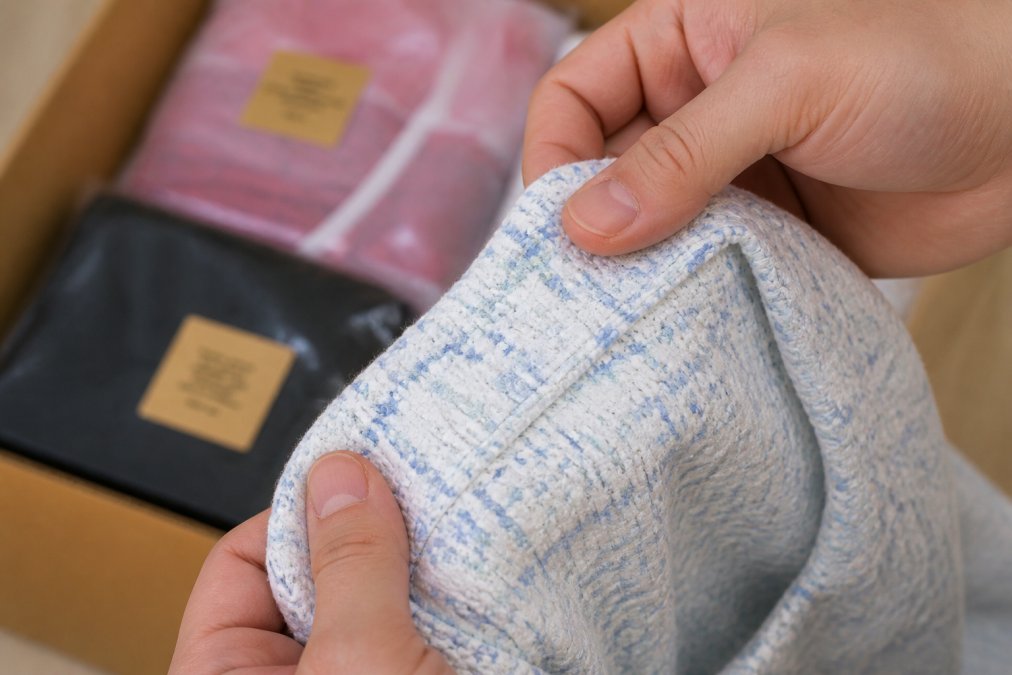
Look for these specific details in product photos:
- Stitch length consistency: Each stitch should be uniform in size. Varying stitch lengths indicate rushed manufacturing or low-quality machinery.
- Seam alignment: Seams should run straight without wavering or puckering. Puckered seams indicate the fabric was pulled too tightly during construction, weakening the seam over time.
- Reinforced stress points: Corners, armholes, and other high-stress areas should have extra stitching. Cheap garments fail first at these points because they lack reinforcement.
- Finished edges: Quality garments have finished seam edges (flat-felled seams, French seams, or bound edges). Unfinished raw edges fray quickly.
- Double-stitched seams: Premium garments often use double stitching on stress seams. Single-stitched seams fail faster.
When examining product photos, zoom in as much as possible. If the seller doesn't provide close-up photos of seams and stitching, that signals potential construction quality issues. Legitimate sellers, including wholesale operations like Republic Mercantile, include detailed construction photos because quality is a selling point.
How to Spot High Quality Fabric Online
The fabric itself is the foundation of any garment. High-quality fabric has specific characteristics you can identify from online product descriptions and photos.
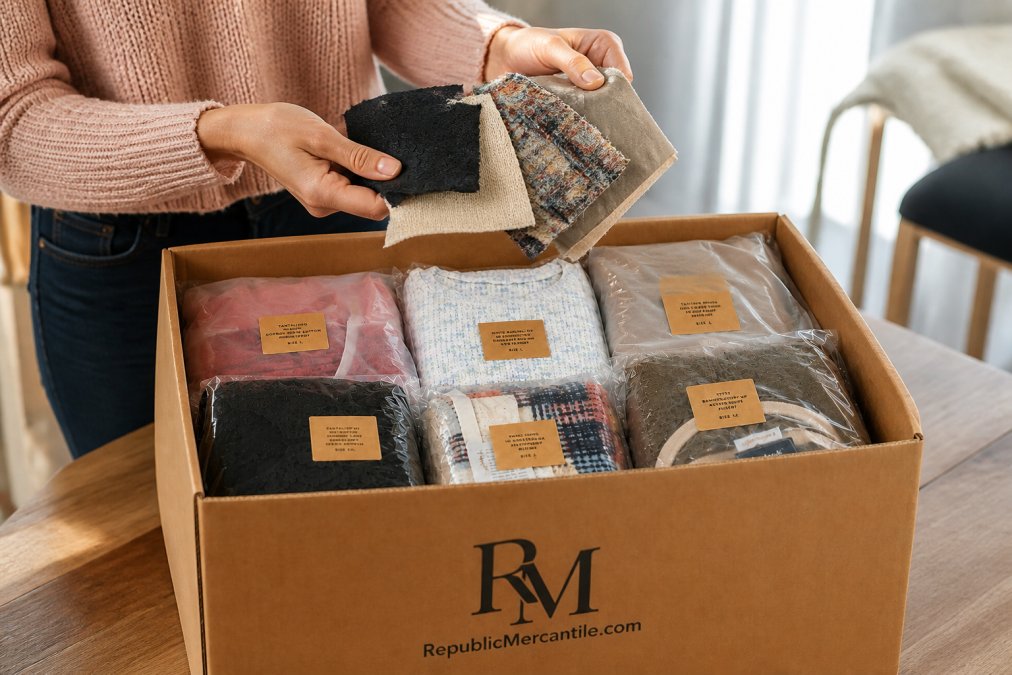
Fiber Content and Material Composition
Fiber content is listed on every garment's care label and product description. This is where mass production shortcuts often appear.
Natural fibers like cotton, wool, linen, and silk generally offer better durability than synthetics (peer-reviewed research). However, quality varies dramatically within each fiber type. High-quality cotton (like Pima or Egyptian cotton) resists pilling and maintains shape far longer than standard cotton (peer-reviewed research).
Look for these signals of quality fiber composition:
- Higher natural fiber percentages: A shirt made from 100% cotton outperforms a 65% cotton / 35% polyester blend. More synthetic fill means more pilling, fading, and shape loss.
- Named fiber varieties: Descriptions mentioning "Pima cotton," "merino wool," or "silk blend" indicate premium materials. Generic "cotton" often signals lower-grade fiber.
- Blend ratios that favor durability: Some blends are intentional (cotton-linen for texture, wool-silk for drape). Others are cost-cutting (adding polyester to reduce manufacturing costs).
When evaluating wholesale lots like our 33 pc Manifested Resellers Wholesale Box of Cardigans & Sweaters, fiber content immediately reveals whether you're getting sustainable inventory or disposable pieces.

Weight, Drape, and Texture Clues
Weight and drape reveal how fabric will perform in real wear.
Fabric weight is measured in grams per square meter (GSM). Quality t-shirt fabric ranges from 150-180 GSM (peer-reviewed research). Lighter fabric (under 150 GSM) feels thin and cheap. Heavier fabrics (over 200 GSM) feel substantial but can feel stiff if not properly finished.
Drape refers to how fabric falls on the body. High-quality fabric drapes smoothly without bunching or clinging awkwardly. You can assess drape from product photos by observing how the garment sits on the model.
Texture clues in photos reveal fiber quality. Smooth, uniform texture indicates consistent manufacturing. Visible pilling, fuzziness, or uneven texture signals low-quality fabric that will deteriorate quickly.
Verify Branding, Logos, and Hardware Durability
Authentic branding and quality hardware are markers of garment construction standards. Counterfeit goods and mass-produced items cut corners here.
Examine these elements in product photos and descriptions:
- Logo alignment and precision: Authentic brand logos are perfectly aligned with consistent spacing and clean printing or embroidery. Misaligned logos or sloppy embroidery indicate counterfeits or poor quality control.
- Hardware quality: Zippers, buttons, and clasps should be made from durable materials like metal or high-grade plastic. Quality garments use YKK zippers or equivalent, not generic zippers that jam or separate.
- Button attachment: Quality buttons are sewn with reinforced thread and a shank (small space between button and fabric). Buttons glued directly to fabric will fall off within weeks.
- Clasp and closure durability: Metal clasps, hooks, and snaps should feel solid. Lightweight plastic closures fail quickly.
- Branding consistency: Brand logos, fonts, and design elements should be consistent across all garments. Inconsistency suggests counterfeits or poor quality control.
When sourcing wholesale inventory, hardware quality directly impacts resale value. Customers notice when zippers jam or buttons fall off.
Signs of Well-Made Clothing: What Separates Quality from Mass Production
Well-made clothing has specific construction characteristics that distinguish it from mass-produced items.
Mass production prioritizes speed and cost reduction. Manufacturers cut corners on stitching, seam finishing, reinforcement, and fabric quality. Quality garments invest in construction details that extend garment life:
- Finished seam interiors: Quality garments have finished seam edges that won't fray. Mass-produced garments often have raw, unfinished seams.
- Reinforced construction: Stress points like armholes, collar attachments, and pocket corners are reinforced with extra stitching or fabric layers.
- Consistent color and texture: Well-made garments have uniform color throughout with no fading or discoloration. Mass production often shows visible color variations.
- Attention to detail: Hems are even, cuffs are symmetrical, and design elements align perfectly.
- Proportional fit: Quality garments are designed with proper proportions. Sleeve length, armhole depth, and torso length are balanced.
The difference comes down to manufacturing standards. A factory producing 10,000 units per day can't maintain the same quality as one producing 1,000 units. When buying from sellers who curate inventory carefully, like Republic Mercantile's wholesale boxes, you're getting access to garments made under higher manufacturing standards.
Clothing Authenticity Check Services and Professional Verification
For high-value items, designer pieces, or bulk purchases for resale, professional authentication services provide verification you can't do yourself.
These services examine garments using specialized knowledge of brand construction standards, materials, and manufacturing processes. They can identify counterfeits and verify authenticity with high accuracy.
When to use professional authentication:
- Designer or luxury items: Professional verification protects your investment.
- Wholesale bulk purchases: Professional verification of authenticity and quality protects your business reputation.
- Unfamiliar brands or sellers: Authentication services reduce your risk.
- Significant price discrepancies: If a designer item is priced far below retail, professional verification confirms authenticity.
Professional authenticators examine fabric composition and weight against brand standards, stitching patterns specific to the brand, hardware materials and construction methods, label printing quality, serial numbers and authenticity markers, and overall construction quality against known manufacturing standards.
The cost typically ranges from $20-50 per item, depending on the service and item value. For wholesale operations, some services offer bulk rates.
When sourcing wholesale inventory like our 50 pc Manifested Reseller Wholesale Box of Women's Dresses, professional verification ensures you're getting authentic, quality pieces that resell successfully.

Assess Seller Reputation and Buyer Protection
The seller's track record is as important as the garment itself. A reputable seller with strong buyer protection policies reduces your risk significantly.
Evaluate seller reputation through these indicators:
- Review volume and ratings: Sellers with hundreds of reviews and consistent high ratings have proven track records. Look for patterns in reviews about quality, accurate descriptions, and fast shipping.
- Review content specificity: Detailed reviews mentioning specific garments, fit, and quality are more reliable than generic praise.
- Return policy clarity: Quality sellers offer clear, hassle-free return policies. If a seller makes returns difficult or charges high return shipping fees, that's a red flag.
- Response to complaints: Check how the seller responds to negative reviews. Do they address concerns professionally and offer solutions?
- Seller verification: Look for seller badges or verification marks on the platform, indicating the seller has been vetted and maintains good standing.
Buyer protection varies by platform. Most major e-commerce platforms offer protection against counterfeit goods, misrepresented items, and non-delivery. Understand your platform's specific protections before buying.
When buying wholesale lots, seller reputation becomes critical. You're making a larger investment and need confidence that the seller will stand behind the merchandise. Republic Mercantile's wholesale boxes come with clear descriptions, detailed photos, and a track record of satisfied resellers.
Common Mistakes to Avoid When Buying Clothes Online
Online shopping mistakes often stem from rushing or focusing on the wrong details.
Mistake 1: Ignoring product photos beyond the main image. Many sellers provide multiple photos showing different angles, close-ups of construction, and detail shots. Always scroll through all available photos.
Mistake 2: Trusting size charts from different sellers. Sizing varies dramatically across manufacturers. Always check the specific seller's size chart and read reviews from customers with your body type about fit accuracy.
Mistake 3: Focusing only on price. A garment that costs $5 less but falls apart after three wears is a poor investment. Compare price against quality indicators, fiber content, construction details, and seller reputation.
Mistake 4: Skipping the care label information. Care labels reveal how the garment should be maintained and sometimes hint at construction quality. Garments requiring dry cleaning often indicate higher-quality fabrics.
Mistake 5: Not verifying seller location and shipping times. Garments shipped from overseas may take weeks to arrive, increasing damage risk. Check seller location and estimated shipping times before buying.
Mistake 6: Buying from unfamiliar sellers without verification. New sellers or sellers with no reviews carry higher risk. Start with a small purchase to verify quality and reliability before buying in bulk.
Mistake 7: Overlooking return policies. Even careful buying can result in garments that don't meet expectations. A clear, easy return policy protects you.
Verifying clothing quality online requires attention to construction details, fabric composition, and seller reliability. The process takes a few extra minutes but protects your investment and ensures you're getting garments that will last.
Whether shopping for everyday essentials or sourcing wholesale inventory, these verification methods apply regardless of price point. Republic Mercantile's commitment to quality merchandise, reflected in fast shipping, competitive pricing, and curated inventory, means you can shop with confidence. Whether buying individual pieces or wholesale lots like our 17 pc Manifested Resellers Wholesale Box of Jackets & Coats, the same quality standards apply. Start with detailed product photos, examine construction closely, and verify seller reputation before completing your purchase.
Frequently Asked Questions
How can I check clothing quality online without touching the fabric in person?
Start by examining product photography closely, look for high-resolution images showing stitching detail, seams, and fabric texture from multiple angles. Read the fiber content label carefully; natural fibers like cotton and wool typically indicate better quality than synthetic blends. Check the care label for washing instructions, which reflect garment construction standards. Review seller feedback and return policies, as quality-focused retailers stand behind their products. For luxury items, consider using professional clothing authenticity check services that analyze photos and construction details.
What are the signs of well-made clothing I should look for when shopping online?
Signs of well-made clothing include straight, even stitching with tight seams and no loose threads visible in photos. Hardware like zippers, buttons, and clasps should appear sturdy and properly aligned. Hems should be finished cleanly, not frayed. Check that brand logos and tags are precisely printed or embroidered with correct alignment. The product description should list specific fiber content and weight. Garment construction details, like reinforced stress points and quality finishing, indicate durability. Sellers who provide detailed care labels and transparent material information typically offer higher-quality pieces.
How do I spot counterfeit clothing and avoid scams when buying online?
Watch for red flags: prices far below retail, poor product photography, vague material descriptions, and sellers with low or no feedback. Verify the seller's reputation through reviews and check for secure payment gateways. Examine product photos for misaligned logos, spelling errors on tags, and inconsistent branding. Counterfeit items often show sloppy stitching, cheap hardware, and incorrect fiber content. If buying luxury brands, verify serial numbers and holographic tags if applicable. Shop through established retailers with buyer protection policies rather than unknown marketplaces. Legitimate sellers welcome questions about garment construction and materials.
What should I look for in how to spot high quality fabric online?
Quality fabric shows consistent weave or knit pattern in photos without visible pilling or loose fibers. Natural fibers, cotton, wool, linen, silk, typically indicate better quality than polyester or acrylic alone. Check the fabric weight listed in the product description; heavier fabrics usually mean better durability. The fiber content should be clearly stated as a percentage. In photos, quality fabric drapes smoothly without bunching or creasing unnaturally. Look for descriptions mentioning thread count (for woven fabrics) or knit density, which indicate tighter construction. Avoid fabrics described only generically; quality sellers provide specific material details.
This article was written using GrandRanker