

Table of Contents
- 1. Make Your Own Multipurpose Cleaning Products at Home
- 2. Buy Cheap Cleaning Supplies in Bulk and Track Unit Costs
- 3. Switch to Reusable Cloths and Rags Instead of Disposable Wipes
- 4. Use Multipurpose Cleaning Products for Multiple Tasks
- 5. How to Make Cleaning Supplies Last Longer and Stretch Your Budget
- 6. Compare Prices and Shop Sales During Peak Discount Cycles
- 7. Build a Household Cleaning Budget and Avoid Unnecessary Purchases
- Frequently Asked Questions
Last Updated: October 6, 2026
1. Make Your Own Multipurpose Cleaning Products at Home
Learning 7 ways to save money on cleaning supplies starts with making your own products, one of the most direct ways to cut costs. A bottle of commercial multipurpose cleaner costs several dollars, while the ingredients for an equivalent product cost pennies.
Basic Vinegar and Baking Soda Solutions
Most DIY cleaners start with two ingredients: white vinegar and baking soda. Equal parts vinegar and water works on counters, windows, and mirrors. For tougher jobs, mix baking soda with a little water to form a paste for sinks, stovetops, and oven interiors.
The advantage is flexibility: one bottle of vinegar and one box of baking soda replace multiple specialty products, meaning fewer items under your sink and fewer purchasing decisions.
Safety and Surface Compatibility
Vinegar is acidic, so it's excellent for mineral deposits and soap scum but can etch natural stone like marble or granite. Baking soda is gentler and works on most surfaces, but test any new solution on an inconspicuous area first.
For wood, skip vinegar and use a few drops of dish detergent in water. Essential oils can add scent to vinegar solutions, but they're optional, the cleaning power comes from the vinegar.
In hard water areas, vinegar may be less effective because minerals interfere with cleaning; adding a little dish detergent improves results. Test first, adjust second.
2. Buy Cheap Cleaning Supplies in Bulk and Track Unit Costs
Bulk buying accumulates significant savings, but only if you use products before they expire. The key is understanding cost per ounce and committing to products your household actually needs.
Understanding Cost Per Ounce
Unit pricing reveals which products truly save money. Some bulk sizes offer only 5-10% off, while others cut costs by 30% or more. Concentrates save even more because you dilute them at home.
A $8 concentrate that makes 10 times its volume yields 320 ounces of cleaner, versus ready-to-use bottles at $3-5 each. The upfront cost is higher, but the per-use cost drops significantly.
Write the unit price on the label when you bring products home. Store brands often offer better unit pricing than name brands without sacrificing quality for basic tasks.
Bulk Buying and Storage Strategy
Storage is where bulk buying fails: a 5-gallon bucket is worthless if it spills or expires before use. Designate a cool, dark cabinet, keep products in their original containers when possible, and use labeled, sealed containers if you transfer them.
Most cleaners last 1-2 years if stored properly; vinegar and baking soda last indefinitely. Concentrates may separate, so shake well. The real waste is buying bulk and forgetting what you have, leading to duplicates.
Buy bulk for staples, vinegar, baking soda, basic multipurpose cleaner, and smaller quantities of specialty products. Review your cabinet quarterly and stop bulk-buying anything unused.
3. Switch to Reusable Cloths and Rags Instead of Disposable Wipes
Disposable wipes carry a convenience premium: a package of 100 costs what reusable cloths cost for years. Switching to reusables is one of the easiest ways to cut cleaning expenses.
Microfiber cloths absorb more than cotton, dry quickly, and withstand dozens of washes. A set of 30 like the 3-Packs of 10 (30 towels) Choicy Microfiber Cleaning Cloths costs $17.95 and replaces hundreds of wipes, working on stainless steel, marble, wood, and glass without scratching.

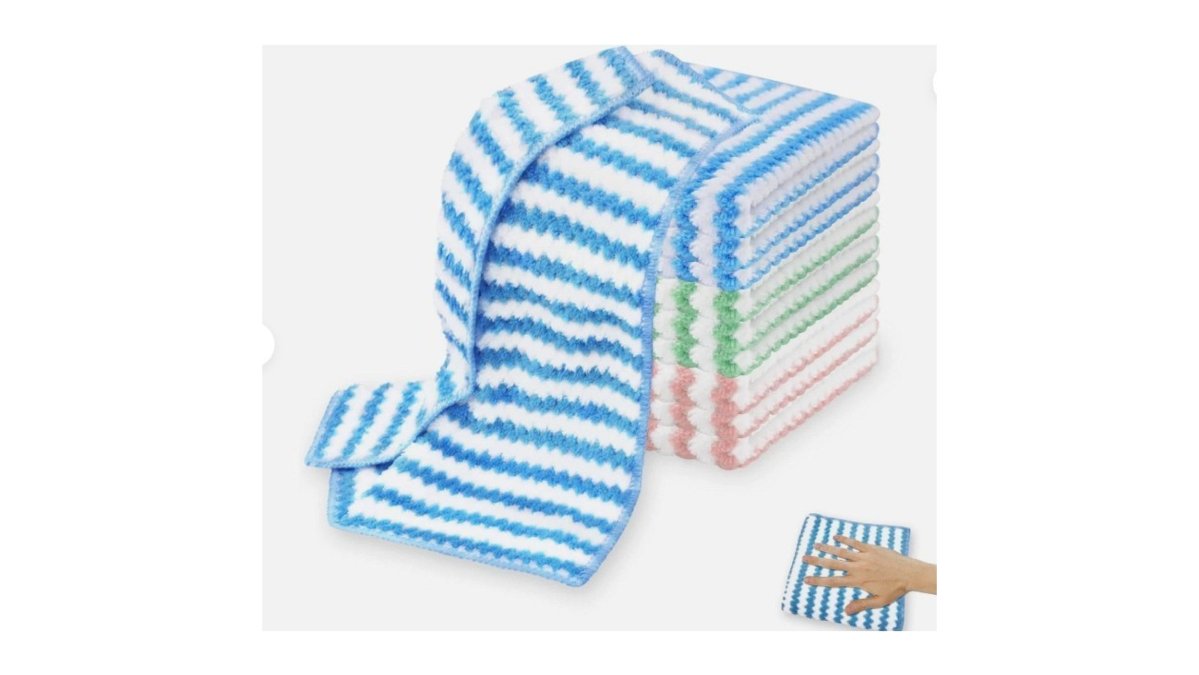
A family using one package of wipes weekly spends roughly $260 annually; one reusable set costs less and lasts years. Wash them with regular laundry, no special detergent, and after a year you've saved enough for multiple replacement sets.
Reusable cloths also clean better: wipes dry out partway through use, while cloths stay moist and effective throughout the job.
4. Use Multipurpose Cleaning Products for Multiple Tasks
The cleaning aisle is designed to make you buy more than you need, separate products for glass, bathrooms, kitchens, and floors. A true multipurpose cleaner handles most tasks, reducing spending and inventory.
Most household dirt responds to the same action: surfactants lift grime, water rinses it away. One or two quality multipurpose cleaners eliminate redundancy.
Identify the few tasks that genuinely need specialty products, oven cleaning, for instance, and use multipurpose solutions everywhere else. Consolidating to 3-4 core products instead of 10-15 specialty items can halve cleaning supply spending.
5. How to Make Cleaning Supplies Last Longer and Stretch Your Budget
Most people use more product than necessary, assuming more equals better cleaning. In reality, dilution often improves results while stretching supply.
Dilution and Concentration Techniques
Ready-to-use cleaners are typically 90% water, so you're paying to ship and store water. Concentrates let you control dilution and cost per use.
Dilute commercial cleaners more aggressively than the label suggests, many work at half strength. Test on a small area first; weaker solutions often perform identically, doubling each bottle's life.
For vinegar, try 1:2 or 1:3 instead of the standard 1:1, on most surfaces the weaker solution works fine and triples your volume. Thinner baking soda paste covers more area but needs more frequent reapplication on heavy jobs.
2-Pack of S.O.S-Steel Wool Soap Pads, 10 Ct (20 Total) →
Cleaning power comes from contact time and scrubbing, not concentration. A weaker solution left for five minutes often outperforms a stronger one wiped away immediately, adjust technique before buying more product.
Storage and Shelf Life Management
Keep cleaners in a cool, dark place, heat and light degrade ingredients, and seal containers tightly. Follow manufacturer guidance on storage temperature for concentrates.
Label everything with the purchase date and rotate stock so older products get used first, avoiding expired items buried behind new purchases.
Vinegar and baking soda require minimal care. Vinegar lasts indefinitely in a sealed bottle. Baking soda can clump in humid environments, but it remains effective, just break up clumps before use. These two staples can be bought in bulk without worry about expiration.
Track what you actually use over a month. This data prevents overbuying. If a product sits unused for three months, stop buying it. Redirect that spending to products you actually use.
6. Compare Prices and Shop Sales During Peak Discount Cycles
Cleaning supplies follow predictable sales cycles. Understanding when retailers discount heavily saves money without requiring coupons or loyalty programs. The best time to buy is when demand naturally drops.
Spring and fall cleaning seasons drive sales. In spring, retailers stock up and offer promotions to move inventory. In fall, back-to-school and holiday preparation create another window. Summer and winter typically see fewer discounts. Plan major purchases around these cycles.
Store brands consistently undercut name brands on basic products. For multipurpose cleaners, dish detergent, and similar staples, store brands perform identically to premium brands. The difference is packaging and marketing, not effectiveness. Switching to store brands on these items saves 20-40% without compromising quality.
Price tracking apps help identify when specific products hit their lowest price. Set alerts for items you use regularly. When a sale hits, buy enough to last until the next expected discount. This requires minimal effort but compounds into substantial savings over a year.
Compare unit prices across package sizes and brands simultaneously. A larger package isn't always cheaper. Sometimes a mid-size option offers the best per-ounce price. The store shelf labels typically show unit pricing, making comparison straightforward.
7. Build a Household Cleaning Budget and Avoid Unnecessary Purchases
Most households have no cleaning budget. Money gets spent reactively, when something runs out or a new product catches your eye. A simple budget creates awareness and prevents impulse purchases.
Setting Realistic Spending Targets
Start by tracking what you currently spend over three months. Total every cleaning product purchase. This baseline shows your actual spending, not your estimate. Many households are surprised by the total.
A reasonable target for a household of four is $30-50 per month, or $360-600 annually. This allows for quality products without excess. Budget-conscious households achieve $20-30 monthly by making their own cleaners and buying bulk. Higher budgets reflect preference for convenience products, which is fine, the goal is intentional spending, not deprivation.
Allocate your budget by category: multipurpose cleaners, specialty cleaners (oven, glass), tools (cloths, brushes), and DIY ingredients (vinegar, baking soda). This prevents one category from consuming the entire budget. If you're spending $50 monthly but $30 goes to specialty products you rarely use, reallocate.
Identifying True Needs Versus Impulse Buys
The cleaning aisle is designed to create perceived needs. A new product promises to solve a problem you didn't know you had. Before buying, ask: do I have a specific task this product solves that my current supplies don't?
Common impulse purchases include specialty wipes for specific surfaces, scented versions of products you already own, and tools marketed as new but functionally identical to tools you have. These purchases feel like solutions but are usually marketing.
A practical filter: if you haven't experienced a cleaning problem in the last month, you don't need a product to solve it. This eliminates most impulse purchases while allowing room for genuine needs.
Keep a list of supplies you're out of or nearly out of. This becomes your shopping list, preventing both forgotten items and impulse additions. Stick to the list when shopping.
At Republic Mercantile, we understand that smart shopping means getting quality products at prices that work for your budget. Our selection of cleaning tools and supplies, including the 3-Packs of 10 (30 towels) Choicy Microfiber Cleaning Cloths and the 2-Pack of S.O.S-Steel Wool Soap Pads, 10 Ct (20 Total), helps you build an effective cleaning routine without overspending.

The real path to implementing 7 ways to save money on cleaning supplies isn't finding a single magic product, it's building intentional habits. Make your own solutions where it makes sense. Buy bulk strategically. Switch to reusable materials.
| Strategy | Monthly Savings | Implementation Time | Difficulty |
|---|---|---|---|
| DIY vinegar and baking soda cleaners | $15-25 | 10 minutes | Easy |
| Bulk buying with unit price tracking | $10-20 | 15 minutes | Easy |
| Switching to reusable cloths | $15-20 | 5 minutes | Very Easy |
| Using multipurpose products | $10-15 | Ongoing | Easy |
| Diluting products more aggressively | $8-12 | 5 minutes | Easy |
| Shopping sales cycles strategically | $5-15 | 20 minutes monthly | Moderate |
| Building and tracking a budget | $10-30 | 30 minutes setup | Moderate |
According to the EPA's waste reduction guidance, reducing single-use products like disposable wipes decreases household waste while lowering expenses. Research from consumer spending reports on household products shows that intentional budgeting reduces discretionary spending by an average of 25-35%.
Frequently Asked Questions
Is it cheaper to make your own cleaning products?
Yes. A homemade vinegar and baking soda cleaner costs under $1 per batch and handles most household tasks. Store-bought multipurpose cleaners typically cost $3-$8 per bottle. Making your own saves 70-80% annually if you clean regularly. The upfront cost of basic ingredients is minimal, and they last for months.
Which cleaning supplies can be used for multiple tasks?
Vinegar works on windows, counters, and floors. Baking soda tackles scrubbing and odor removal. Dish detergent cuts grease on surfaces and laundry. Microfiber cloths clean glass, stainless steel, wood, and marble without scratching. Buying fewer multipurpose products instead of specialized cleaners for each surface cuts your cleaning expenses significantly.
How can I save money on cleaning supplies without sacrificing quality?
Buy concentrated cleaners or refill products that reduce packaging waste and cost per use. Invest in reusable microfiber cloths like the Choicy Microfiber Cleaning Cloths at $17.95 for 30 towels, which replace hundreds of disposable wipes over time. Compare unit prices, buy during sales cycles, and use store brands for basic items like vinegar and baking soda.
What's the best way to make cleaning supplies last longer?
Dilute concentrated cleaners with water according to instructions. Store products in cool, dark places to extend shelf life. Use microfiber cloths and reusable rags instead of paper towels, which require constant replacement. For tough jobs like scrubbing pots, steel wool pads like the S.O.S Steel Wool Soap Pads ($15.99 for 20 pads) provide reusable power without buying new sponges constantly.